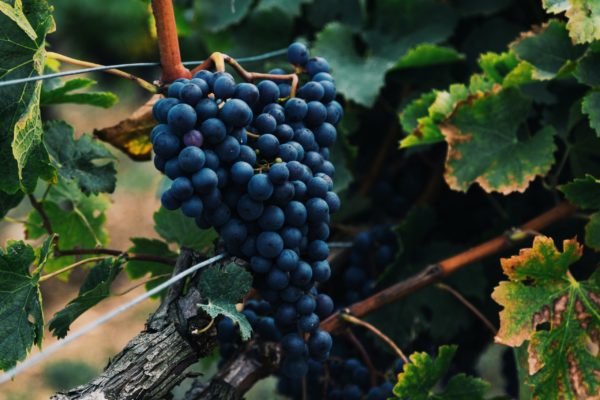
Love Bordeaux wine? So do we. This type of wine hails from the Bordeaux region of France, and it’s a delicious variety that is beloved around the world. Over 90% of Bordeaux’s are red wines made from a blend of Merlot and Cabernet Sauvignon.
In this article, we’ll talk all about Bordeaux tasting notes, pairings, where Bordeaux comes from, and give you some wonderful bottle recommendations you’re sure to love.
Why is Bordeaux famous?
The main reason Bordeaux wines are world-renowned is the location they come from, aka Bordeaux itself. Bordeaux’s climate and soil are ideal for grape growing and winemaking. Plus, Bordeaux is close to a major port, which has allowed winemakers throughout history to ship their bottles worldwide.
Vintage variance is also extremely important for Bordeaux, and bottles that have been properly aged can surge in value over generations. Good Bordeaux vintages include 2015, 2010, 2009, 2008, 2005, 2003, 1998, and 1990.
Bordeaux tasting notes
Contrary to popular belief, not all Bordeaux is red. While about 90% are, there are a variety of lovely white Bordeauxs on the market.
The primary flavor notes in red Bordeauxs are black currant, plum, graphite, cedar, and violet. Red wines from Bordeaux are medium to full-bodied and usually have aromas of black currant, plums, and earthy notes of wet gravel or pencil lead.
While tasting, you’ll notice mineral and fruit notes on the nose, leading into prickly, savory, mouth-drying tannins. Often the tannins are high enough in red Bordeauxs that they can age for several decades. Depending on the part of Bordeaux the wine hails from, the quality, and the vintage, the fruit flavors can range from more tart to sweeter.
White Bordeaux is usually made from Sauvignon Blanc, Semillon, and Muscadelle grapes and has dominant flavors of grapefruit, lemon, lime, gooseberry, lemon curd, and chamomile. While they’re not as common, white Bordeauxs can be wonderful and pleasant.
Bordeaux styles
One of the important things to know about Bordeaux is that they are made from a blend of grapes. The two most common grapes used to make Bordeaux are Merlot and Cabernet Sauvignon, with smaller amounts of Cabernet Franc, Petit Verdot, and Malbec, with a dash of Carménère. This is called the Bordeaux blend and is the most copied grape blend around the world.
Bordeaux blends come in three main styles. The left-bank blend is more Cabernet Sauvignon dominant. The regions within the left bank include Médoc and Graves. The left bank is known for its gravelly soils and graphite-driven reds. Left-bank wines have a reputation for being especially bold and tannins.
The next style is the right-bank blend, which is more Merlot dominant. The right bank, or the Libournais region, has red clay soils that produce bold, plummy red wines. These wines are still moderately bold but have softer, more refined tannins.
The third style of Bordeaux hails from Entre-Deux-Mers, which translates to “between two tides.” This is the area between the two major rivers of Bordeaux. This area produces a variety of reds but is perhaps even more famous for its whites. The white wines from this region feature a blend of Sauvignon Blanc, Sémillon, and the rare Muscadelle.
Bordeaux pairings
Once you’ve gotten your hands on a great bottle of Bordeaux, you have to decide what to pair it with. While, of course, Bordeaux can be sipped on its own, the wine can be a wonderful complement to a variety of meals.
Bordeaux is bold, with grippy tannins that pair well with dishes high in fat. You’ll also want to pair it with foods packed with umami flavor to pair with Bordeaux’s boldness. The perfect dish to pair with Bordeaux is steak frites, but there are a variety of other great pairings as well.
Red meats go well with Bordeaux, including steaks, roasts, pork, filet mignon, brisket, liver, pot roast, venison, duck, goose, and even dark meat turkey. Cheeses compliment Bordeaux are Manchego, Swiss, Comté, white cheddar, provolone, and pepper jack.
As far as seasonings and herbs go, Bordeaux pairs wonderfully with pepper, oregano, rosemary, mustard seed, coriander, and cumin. For vegetable side dishes, go for roast potatoes, lentils, mushrooms, onions, or green beans.
Our top 7 Bordeaux bottles
Shopping for a Bordeaux can be overwhelming, as there are so many wonderful bottles and vintages out there. We’ve compiled a list of Bordeauxs we love in a variety of price ranges. Any of the Bordeauxs on this list are sure to wow your guests, whether you’re having a relaxed movie night or an upscale dinner party.
1. Chateau La Freynelle – Bordeaux Superieu
While the name may sound intimidating, this Bordeaux is actually fairly affordable. It has beautiful, fruit-forward notes of red berries, like raspberries and cherries, with just a hint of spearmint as it hits the back of your palate. This wine is balanced and smooth on the palette, making for easy drinking—and it’s not hard on your wallet, either.
2. Château Lyonnat – Lussac-Saint-Émilion
Hailing from Lussac, a satellite village of Saint-Emillion, Chateau Lyonnat is another relatively affordable Bordeaux bottle, selling for about $30It has a rich, dark color and a sweet nose with coffee and chocolate and wood and spice notes. This wine has a fresh and elegant base, with a long and mild finish with plum and cherry notes.
3. Château Pericou Bordeaux 2018
A blend of 30% Cabernet Sauvignon and 70% Merlot Noir, the Château Pericou Bordeaux 2018 has a gorgeous plum-ruby color accompanied by floral notes. The palate has firm tannins and is fruit-forward, with rich, intense, vivid red fruit. Château Pericou is a typical Bordeaux property, with silica-gravel soil on the slopes of the Gironde in Cavignac. This is one of the most affordable Bordeaux on the market today, selling for only about $11.
4. Allegrini Amarone Classico Bordeaux
Moving up in price point, Allegrini Amarone Classico Bordeaux sells for about $90 but is well worth the splurge. This is a firm, fresh bottle with warm black cherry, violet, damson plum, and polished oak & spice flavors. You’ll notice hints of smoke in each sip, as well as a bold, bright acidity that will keep you on your toes.
5. Mouton Cadet White Bordeaux
If you’re looking for something a little different than your average red Bordeaux, try the Mouton Cadet White Bordeaux. This is a cool, crisp wine with an elegant finish that you can always depend on. It’s fairly affordable and sells for about $18 a bottle. It’s a lovely treat and is definitely something different than a usual red Bordeaux.
6. Episode Bordeaux
This Episode of Bordeaux is elegant, finely balanced, and has an intense garnet color, silky texture, and excellent aging potential. It’s at a slightly higher price point, selling for about $190, but it’s definitely a great value for the money. It’s a blend of Cabernet Sauvignon, Merlot, Malbec, Cabernet Franc, and Petit Verdot. It begins with notes of vanilla and caramel, with a core of blueberry and blackberry and a finish full of dark chocolate. This is a wine that will age exceptionally well, so it’s well worth the investment.
7. Château Haut-Brion 2010
Of course, this list wouldn’t be complete without the inclusion of a high-end bottle. The Chateau Haut-Brion 2010 sells for $1,200 and is a superb ruby-red color with purplish highlights. It begins with a closed-in bouquet but opens up nicely with aeration. It begins with oaky overtones, followed by red-berry fruit, which leads into cocoa powder, roasted coffee, and cigars. It has a dense, tannic structure yet is amazingly silky. If you’re looking to splurge on a bottle, this one is highly recommended.
The takeaway
Wines from Bordeaux are world-acclaimed and can be highly elusive and expensive. However, there are amazing bottles available at every price point. You don’t have to splash out thousands of dollars to enjoy a high-quality Bordeaux. You just have to know where to look.
Saucey has you covered when it comes to wine, beer, and liquor delivery. We have a huge selection of wines, and we offer speedy delivery and zero-order minimums. Whether you’re looking for a cheap bottle of Chardonnay or a fine Bordeaux, we’ll deliver it right to your door.